

Diabetes in Dogs and Cats: What Every Pet Parent Should Know
Finding out your dog or cat has diabetes can feel overwhelming – but with the right care, pets with diabetes can still live happy, healthy lives. While the diagnosis may sound scary at first, early detection, proper treatment, and consistent care can make a huge difference. At Silver Sands Veterinary and Urgent Care, we’re here to guide you every step of the way. From spotting the early signs to managing daily care, our goal is to help your furry friend thrive and continue enjoying all the love, play, and cuddles you share together for many years!
What is Diabetes in Pets?
Just like people, dogs and cats can develop Diabetes Mellitus. In 2024, approximately 89.7 million dogs and 73.8 million cats were diagnosed with diabetes. This disease occurs when the pancreas is not able to properly regulate blood sugar (glucose). Glucose is a vital carbohydrate that provides the body with energy. The pancreas contains specialized endocrine cells called beta cells, which are responsible for producing the hormone Insulin. Insulin controls our cells ability to absorb glucose. In a person, dog, or cat with diabetes, the pancreas cannot produce enough insulin – glucose cannot enter the cells and remains in the blood stream causing Hyperglycemia (High Blood Sugar). This is known as Insulin Resistance.
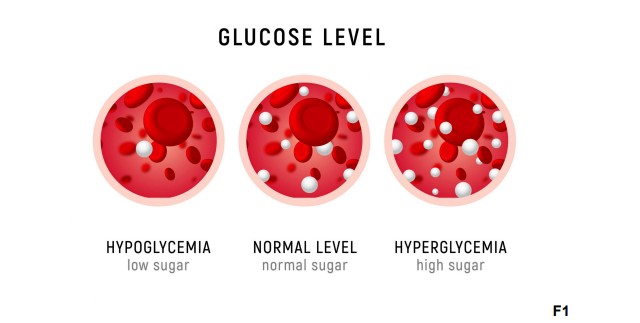
Different Forms of Diabetes:
- Type I (results from total or near-complete destruction of beta cells. This is the most common form of diabetes found in dogs.)
- Type II (the amount of insulin being produced is insufficient, there is a delayed response in secreting it, or tissues in the animal’s body are insulin resistant. This is the most common form of diabetes in cats.)
- Type III Gestational Diabetes (results from insulin resistance caused by the presence of other hormones in the body – seen in cases of pregnancy or hormone secreting tumors.)

Which Pets are More Likely to Develop Diabetes?
Diabetes in dogs and cats can occur at any age, however, it is most common in dogs aged 7-10 years old and cats older than 6 years.
Health factors that increase your pet’s chances of developing Diabetes:
– Obesity.
– Pregnancy.
– Pancreatic Disease.
– Amyloidosis in cats (rare condition in cats where abnormal proteins called amyloid accumulate in various organs, leading to organ dysfunction).
– Hyperthyroidism in cats.
– Hypothyroidism in dogs.
– Cushing’s Disease.
– Dental Disease.
– Kidney Disease.
– Recurrent Urinary Tract Infections.
– Recurrent Skin Infections.
– Long-term use of Steroids.
Breeds predisposed to developing Diabetes:
Dogs:
– Yorkshire Terrier.
– Border Terrier.
– King Cavalier Charles Spaniel.
– Bichon Frise.
– West Highland White Terrier.
– Mixed Breeds.
Cats:
– Tonkinese.
– Norwegian Forest Cat.
– Burmese.
– Russian Blue.
– Abyssinian.
– Mixed Breeds.

It is very important to note that any dog or cat can develop diabetes at any point in life. Please consult with Dr. DeForge – or an Internal Medicine Specialist – if you are worried about your pet’s predisposition to developing diabetes.
Symptoms of Diabetes in Dogs and Cats
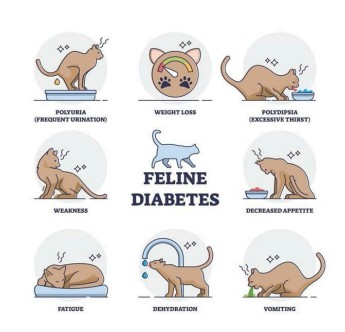
Symptoms of diabetes in cats:
– Increased urination and thirst.
– Increased appetite.
– Weight loss.
– Lethargy.
– Dull, matted, dry fur.
– Vomiting.
– Diarrhea.
– Difficulty jumping or climbing.
– Increased risk of infections (skin, urinary, oral etc.).
– Blurred vision/cataracts.
– Foot problems (Diabetic Neuropathy – nerve damage evidenced by a cat walking on its
ankles/heels instead of its toes.)
– Coma (in severe cases).
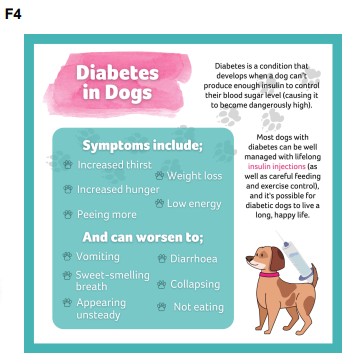
Symptoms of diabetes in dogs:
– Increased thirst and urination.
– Increased appetite.
– Weight loss.
– Lethargy and weakness.
– Cloudy eyes/cataracts.
– Recurrent infections (skin, urinary, oral, etc.)
– Sweet-smelling breath.
– Vomiting.
– Diarrhea.
– Poor coat condition.
– Behavioral changes.
Getting the Right Diagnosis
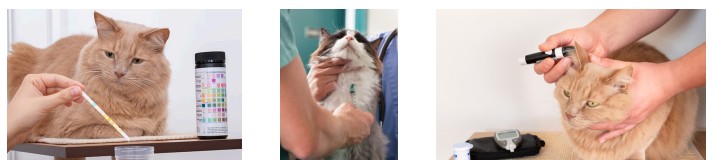
Getting a definitive diagnosis of diabetes in your pet takes more than a single blood glucose reading! Other factors can lead to a high reading – stress/excitement/handling, diet, time of day, medications, etc. Dr. DeForge proceeds with the following steps in order to achieve a definitive diagnosis and rule out other diseases:
1) Chemistry Profile – The first thing Dr. DeForge will look for is an elevated blood glucose level. The normal range for a dog is 80-200mg/dL and for cats 50-300mg/dL. Because this value can change due to the above factors, Dr. DeForge may want to re-evaluate the glucose level over a course of several days. Alternatively – we can run a Fructosamine Concentration Panel. This test provides a rough average of your pet’s blood glucose levels over the last 2 weeks, and would not be affected by stress-induced hyperglycemia (high blood glucose level caused by the stress/anxiety of being at the veterinarian). Sometimes, we will see mild changes in your pet’s serum electrolytes (sodium, chloride, and potassium) levels. Diabetic dogs and cats produce very dilute urine, which can cause them to lose excessive amounts of electrolytes. Some diabetic pets will also have elevated liver enzymes (ALT and AST) due to mild liver cell damage caused by dehydration and reduced blood flow. A complete blood profile is also necessary to screen for any other underlying conditions that may be causing insulin resistance – Pancreatitis, Hypoadrenocorticism (Cushing’s Disease), Hyperthyroidism, Hypothyroidism, Neoplasia, etc.
2) CBC – The Complete Blood Count evaluates the number and components of red blood cells, white blood cells, and platelets. Signs of diabetes-associated dehydration can be indicated by an increase in the total red blood cell count. A decreased red blood cell count can also be seen, and indicates more severe cases of red blood cell rupture within the bloodstream. A major symptom of diabetes in pets is an increased risk of developing infections throughout the body. These infections are typically indicated by an increase in the white blood cell count.
3) Urinalysis – In a diabetic animal, it is very common to see high levels of glucose and/or ketones in the urine. When our cells cannot absorb glucose, it accumulates in the blood and is released in the urine. A healthy pet will have little to no glucose in their urine. Ketones are chemicals produced by the body when it breaks down fat for energy – which is seen in diabetic pets unable to metabolize glucose. In severe cases, the ketone concentration can be so high that it causes diabetic ketoacidosis. This is a life-threatening condition leading to acidosis (increased acidity) of the blood and requires immediate veterinary intervention!
4) Abdominal Imaging – In more severe cases of diabetes or diabetic ketoacidosis, Abdominal Ultrasoundography and Radiology can be recommended to rule out other complicating conditions. Dr. DeForge will primarily be looking at your pet’s pancreas, but will thoroughly examine all vital organs. He will evaluate for signs of pancreatitis or tumors in the abdomen that may be causing insulin resistance/illness.
Caring for a Diabetic Pet Day-to-Day
A diagnosis of diabetes can seem overwhelming, but our team is here to guide you through every option available!
Emergency Stabilization: If diabetes is not diagnosed in time, some pets may already be in critical condition when they are brought in for an exam. Commonly, these animals will be presented with symptoms of Diabetic Ketoacidosis, Nerve Damage, or Kidney Disease.
These cases require immediate medical intervention, which can include:
- Fluid therapy to address dehydration.
- ER insulin therapy to lower blood glucose.
- Electrolyte monitoring and correction.
- Treatment of underlying conditions.
These treatments can be completed at SSV, however, if your pet requires 24/7 monitoring and treatment, Dr. DeForge will recommend transferring to the closest Critical Care Center. We will always help you make the best decision when it comes to your pet’s safety!
At-home glucose monitoring: The most important part of day-to-day care for a diabetic pet is keeping track of their blood glucose levels throughout the day. When your pet is first diagnosed, Dr. DeForge recommends completing a Glucose Curve. This means you will be checking their blood glucose levels every 1-2 hours for 12-24 hours in order to establish a baseline. This curve starts with a blood sample before the morning feeding and insulin injection. The baseline will help Dr. DeForge find the correct dosage and type of insulin to give your pet. Once your furry friend is stable, routine glucose curve checks should be completed every 2-4 months.
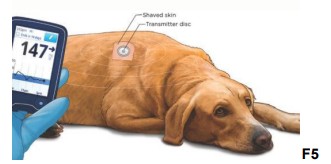
- Continuous Glucose Monitors (ex. FreeStyle Libre) can be used as a non-invasive way to keep track of your pet’s blood glucose levels. They are very similar to the devices used in humans, and most will connect right to your phone delivering real-time data. This is usually recommended when a pet is in critical condition and we need to keep a close eye on how blood glucose is reacting to treatment. This option isn’t inexpensive, and many pets are able to easily knock them out at home.
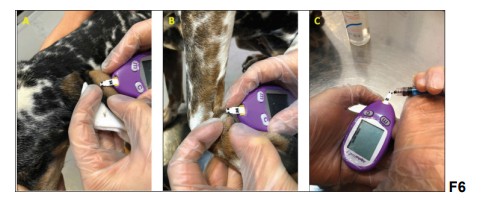
- A Glucometer can also be utilized at home. This would involve using a sterile syringe or lancet to collect a drop of blood from your pet. A lancet is the preferred method of collection for pet parents, because you can easily collect the appropriate amount of blood from the outer ear flap. When collecting a sample at home, you should first prepare your glucometer by inserting a testing strip. Then gently massage the ear to increase blood flow. Using the lancet you can collect the appropriate amount of blood from the prepped area, and finally touch the sample to the edge of the test strip. This could be complicated in the first stage of diagnosis due to the frequent need of readings. This method is highly dependent on your pet’s tolerance for handling at home!
- If it is not possible to use a Continuous Glucose Monitor or Glucometer at home, you also have the option to bring your pet in for in-hospital blood glucose checks. Dr. DeForge and our technicians will collect a blood sample and use a glucometer to assess your furry friend’s blood glucose level. To run this in-house test, Dr. DeForge charges a nominal fee. Most visits will not require an examination, unless your pet is showing signs of illness at home.
Insulin Administration: Once your pet is stable, Dr. DeForge will prescribe the best type and dosage of insulin for you to give at home. The following is a step-by-step tutorial on how to administer insulin:
1) Unless otherwise directed by Dr. DeForge, feed your pet before giving insulin.
2) Prepare your pet’s insulin according to Dr. DeForge’s instructions.
3) Using rubbing alcohol, clean the rubber stopper of the insulin bottle. Uncap the sterile needle and insert into the center of the clean stopper. Some insulins need gentle mixing, and some do not. Flip the bottle upside down and draw up the prescribed amount.
4) Insulin Injections should be given subcutaneously (in the fatty tissue layer just under the skin). DO NOT give injections in the muscle or in a blood vessel. The best places to give the injections are in the scruff, or generally 1-2 inches from the middle of the back. You should alternate injection sites for each dosage to avoid any soreness. You may need a friend or family member to help hold your pet during administration. You can also try distracting your pet with low-carbohydrate treats.

5) Hold the syringe in your dominant hand. Do not place your finger on the plunger until you are ready to inject. With your other hand, pinch a fold of skin into a tent and gently insert the needle into the center of the fold. Pull back on the syringe to make sure you are not in a blood vessel (this is evidenced by a red color in the syringe). If you have hit a blood vessel, discard the insulin and start over!
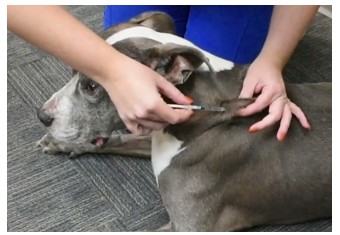
6) Once the needle is in the correct spot, push the plunger all the way down to make sure your pet gets the full dosage.
7) Carefully remove the needle, and dispose of it in a sharps container.
8) The most important step – reward your furry friend with playtime, snuggles, or a prescription low-carbohydrate treat!
Diet and Exercise: Creating a daily routine for your diabetic pet is critical. Not only does regulated diet and activity lower blood sugar, it generally creates a healthy and happy environment for your pet – improving their overall health! Here are some tips and tricks for keeping your pet stable throughout the day:
- You may be used to letting your pet free-feed and having food available 24/7. This is not recommended for a diabetic pet! You should create strict, portion-controlled meal times, with limited to no other food/treats in between. Extra snacking makes it difficult to regulate blood glucose levels and keep your pet stable.
- Dr. DeForge will recommend the best diet to give your pet, and how much to give during each meal. Please consult with Dr. DeForge prior to picking a new food for your pet! Most animals do best on specialized prescription diets. A few examples are:
a) Hill’s W/D.
b) Purina Pro Plan D/M.
c) Royal Canin Glycobalance.
d) Science Diet Diabetes Care W/D. - If your furry friend is overweight, or was previously a couch-potato, it is important to gradually introduce an exercise routine into their lives. This can span from light play to walks or swimming. Going slow is key! We want to improve your pets cardiovascular health and blood glucose levels, without putting excess strain on them.
- Write down everything! This is going to be very helpful, especially if your pet was recently diagnosed. You can keep track of their daily medications, meal and activity times, and ensure that your pet is getting the best care possible.

Life with Diabetes: Partnering Together for Your Pet’s Health
Caring for a pet with diabetes may seem overwhelming at first, but you are not alone in this journey. With the right treatment plan, regular monitoring, and plenty of love, dogs and cats with diabetes can continue to live joyful, fulfilling lives. At Silver Sands Veterinary and Urgent Care, our team is here to guide you through each step – from diagnosis to daily management – so you always feel confident and supported. If you have any questions or concerns about your pet’s health, don’t hesitate to reach out. Together, we can give your furry friend the best chance at a long, happy, and healthy life!
Image References
F1 – https://pressbooks.calstate.edu/nutritionandfitness/chapter/blood-glucose-regulation/
F2 – https://www.petcare.com.au/diabetes-in-dogs/
F3 – https://wel-pet.com/news/display/96
F4 – https://blissanimalhospital.com/blog/diabetes-in-cats-signs-treatment-prevention/
F5 – https://www.greenvalleyveterinarycare.com/services/dogs/blog/continuous-glucose-monitoring-diabetic-dogs-freestyle-libre-system
F6 – https://www.google.com/url?sa=i&url=https%3A%2F%2Fwww.openveterinaryjournal.com%2F%3Fmno%3D70532%26html%3D1&psig=AOvVaw3ggpmcyKpPzlrXt93sRjm0&ust=1759270214477000&source=images&cd=vfe&opi=89978449&ved=0CBYQjRxqFwoTCNCgmbT-_o8DFQAAAAAdAAAAABAE
F7 – https://www.aaha.org/wp-content/uploads/globalassets/02-guidelines/diabetes/diabetes_insulin_cat_final.pdf
F8 – https://www.merck-animal-health-usa.com/vetsulin/cats/vetpen-administration