
Anxious Tails: Understanding Stress in Our Pets
Our pets may not be able to tell us exactly what they’re feeling, but they have plenty of ways to show it. Just like people, our pets can feel stressed, nervous, or overwhelmed. Whether it’s the boom of summer fireworks, a trip to the veterinarian, or being left home alone, anxiety in dogs and cats is more common than you may think. While occasional nervousness is normal, ongoing anxiety can affect your pet’s health, happiness, and bond with your family.
The good news? With the right care, most pets with anxiety can feel calmer and more secure. At Silver Sands Veterinary and Urgent Care, we’re here to help you recognize the signs of anxiety and find solutions that bring peace of mind – for both you and your furry friend.
From Pacing Paws to Hiding Whiskers: Spotting the Signs
Fear is one of the most basic, primal emotions experienced by both humans and animals. It results in both behavioral and physiological reactions, and is broken down into three general groups:
Maladaptive fear – This is an exaggerated fear response to a stimulus that is not dangerous. This type of fear can lead to hypervigilance and chronic stress. Animals that experience this kind of fear typically avoid social interactions and may even have episodes of aggressive behavior.
Phobia – Phobias elicit a consistent, exaggerated fear response that can be very debilitating to your pet. This is the type of fear typically seen during thunderstorms, fireworks, or car rides.
Anxiety – Anxiety is a fear response triggered by the anticipation of an event. Anxiety can be seen during specific events – being seen by a veterinarian or being left home alone – but can also be more generalized, caused by many different triggers. This is commonly known as underlying anxiety, and can result in many different physiological and behavioral responses. When your pet is experiencing this type of anxiety, please consult with Dr. DeForge and our team in order to identify the underlying fear-inducing stimuli.
Physiological signs of fear/anxiety:
– Increased heart rate.
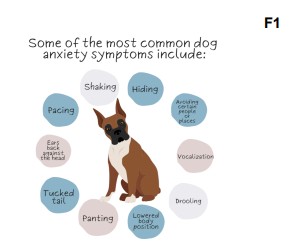
– Panting.
– Urination or defecation.
– Release of anal sacs.
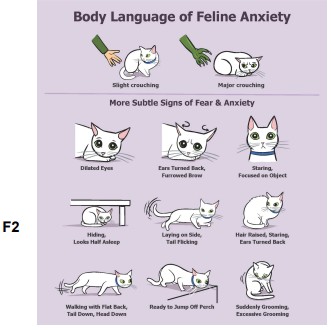
– Dilated pupils.
– Overgrooming/self-mutilation.
Behavioral signs of fear/anxiety:
– Pacing/fidgeting/freezing in place.
– Hiding.
– Running away.
– Avoiding eye contact.
– Lowering head.
– Ears up or pinned back against head.
– Tucking tail.
– Licking lips.
– Excessive drooling.
– Yawning.
– Chewing/scratching items in the house (furniture,
clothes, etc.)
– Trembling.
– Loss of appetite.
Thunderstorms, Fireworks, and Lonely Days: Why Pets Get Anxious
There are many possible triggers for anxiety in dogs and cats. They can be fearful of new people, environments, or interactions. They can also have more specific fears – going to the veterinarian/groomers, sudden loud noises, high pitch noises like alarms or whistles, etc. Based on these triggers your pet may exhibit some of the following fear responses:
Innocuous triggers: This type of fear response is commonly attributed to sudden loud noises. For example, If your dog is outside using the bathroom and fireworks go off, they may develop a fear response to loud noises and even hesitate to go back outside. This type of response can also develop from punishment. Your pet may associate punishment to an unrelated stimulus – a stranger coming into the home, cars going by, etc.
Lack of positive or neutral exposure: It is absolutely critical to properly socialize your pet when they are young. There is a vital time of socialization where you should introduce your pet to new people/animals, bring them out into different environments, play with their paws/ears/face, and slowly desensitize them from possibly overwhelming or fear-inducing situations.
Separation anxiety: This is a common behavioral disorder exhibited by pets. It is triggered when animals become upset about you leaving the house. They may start to bark when you are preparing to leave, appear distressed or depressed, or even try to stop you from leaving. When you return home, your pet will most likely act as though you’ve been gone for years. This fear response can result in self-mutilation/overgrooming and/or destructive behaviors.
Past trauma: Commonly seen in rescue or adopted stray animals past traumas can manifest as PTSD-like symptoms. Fear responses are triggered from learned fears caused by neglect, abuse, etc.
Underlying medical conditions: Anxiety can be one of the only observable symptoms of an underlying health problem. Fear can be caused by pain, discomfort, hormonal imbalances, or cognitive dysfunction. Your pet may become hypervigilant, and even show signs of aggression when they are in pain.
Genetics: While any animal can develop and exhibit signs of anxiety, certain breeds are naturally prone to being more fearful and/or anxious. They have a predisposition to having an overactive stress response system, and their brains will trigger the neurochemical pathways involved with fear and anxiety even when the situation is not dangerous.
Dog breeds:
– Border Collie.
– German Shepherd.
– Cocker Spaniel.
– Labrador Retriever.
– Australian Shepherd.
– Bichon Frisé.
– Jack Russell Terrier.
– Chihuahua.
– Toy Poodle.
– Cavalier King Charles Spaniel.
– Vizsla.
– Shetland Sheepdog.
– Dachshund.
– German Shorthair Pointer.
– Greyhound.
– Havanese.
– Logatto Romagnolo.
– Miniature Schnauzer.
– Soft Coated Wheaton Terrier.
– Spanish Water Dog.
– Basset Hounds.
– Australian Cattle Dogs.
– Mixed Breeds.
Cat Breeds:
– Siamese.
– Bengel.
– Oriental Shorthair.
– Balinese.

Calming Cuddles: Helping Pets Feel Safe
If you begin to notice any of the above mentioned symptoms or fear responses, here are some
prevention strategies to practice at home:
– Maintain consistency and predictability in your pet’s daily routine.
– Be able to recognize and read your pet’s body language. A bond between humans and animals is built upon mutual love and respect, you can encourage this by understanding when your pet may need a little more love and affection!
– Make sure that your pet is comfortable by giving them their own space when necessary. If they are showing signs of anxiety, this is their way of telling you they need a break!
– When training, positive reinforcement and negative punishment are vital. You do not need to yell at/hit an animal in order for them to understand. Our pets are very intelligent, and they will modify their behavior in certain situations – for example, giving your cat a treat when they complete a desired action, or simply walking away from your dog when they bark for attention.
– Regular medical care should be a common part of your pet’s routine. Getting them used to being in the hospital and receiving preventative treatment will help them bond with us and form trust. By seeing what makes your pet anxious, Dr. DeForge can easily adjust protocols to make your pet feel happy and safe!
– Sometimes, pets need more than a good routine and proper training to curb anxious behaviors. In this case, we’re here to help you!
When Worry Won’t Go Away: Knowing When to Call Us
If you believe your furry friend is showing signs of anxiety, please reach out! This is a crucial first step, and we can help you rule out possible stress factors or underlying illness. At home, you can keep track of specific anxious behaviors and what triggers them. Our team will recommend the next best steps for your pet – this could range from pheromone diffusers or medications to recommending a specific veterinary behaviorist to monitor your pet’s progress.
Top Ten Anti-Anxiety Medications:
– Alprazolam (Xanax).
– Amitriptyline.
– Buspirone (BuSpar).
– Clomipramine (Anafranil).
– Diazepam (Valium).
– Fluoxetine (Prozac).
– Gabapentin.
– Lorazepam (Ativan).
– Paroxetine (Paxil).
– Trazodone.
DO NOT use any medications without approval from Dr. DeForge! There are many different supplements and/or OTC drugs that may be recommended online, but these are usually ineffective or dangerous to your pet. Dr. DeForge will always give your pet what they need to be happy, healthy, and safe!
Whatever the treatment may be, the Silver Sands Veterinary and Urgent Care team is here to help you and your friend through this journey!
Peaceful Paws Ahead: Helping Pets Live Happier Lives
Anxiety in pets is more common than many people realize, but with patience, understanding, and the right support, your furry friend can live a happier and more relaxed life. By learning to recognize the signs of stress and addressing them early, you’re strengthening the bond you share and giving your pet the gift of comfort and security. At Silver Sands Veterinary, we’re here to walk this journey with you – helping you find solutions that bring peace of mind for both you and your beloved companion!